Chasing Ice in Aotearoa: CliC 2026 Conference and Beyond
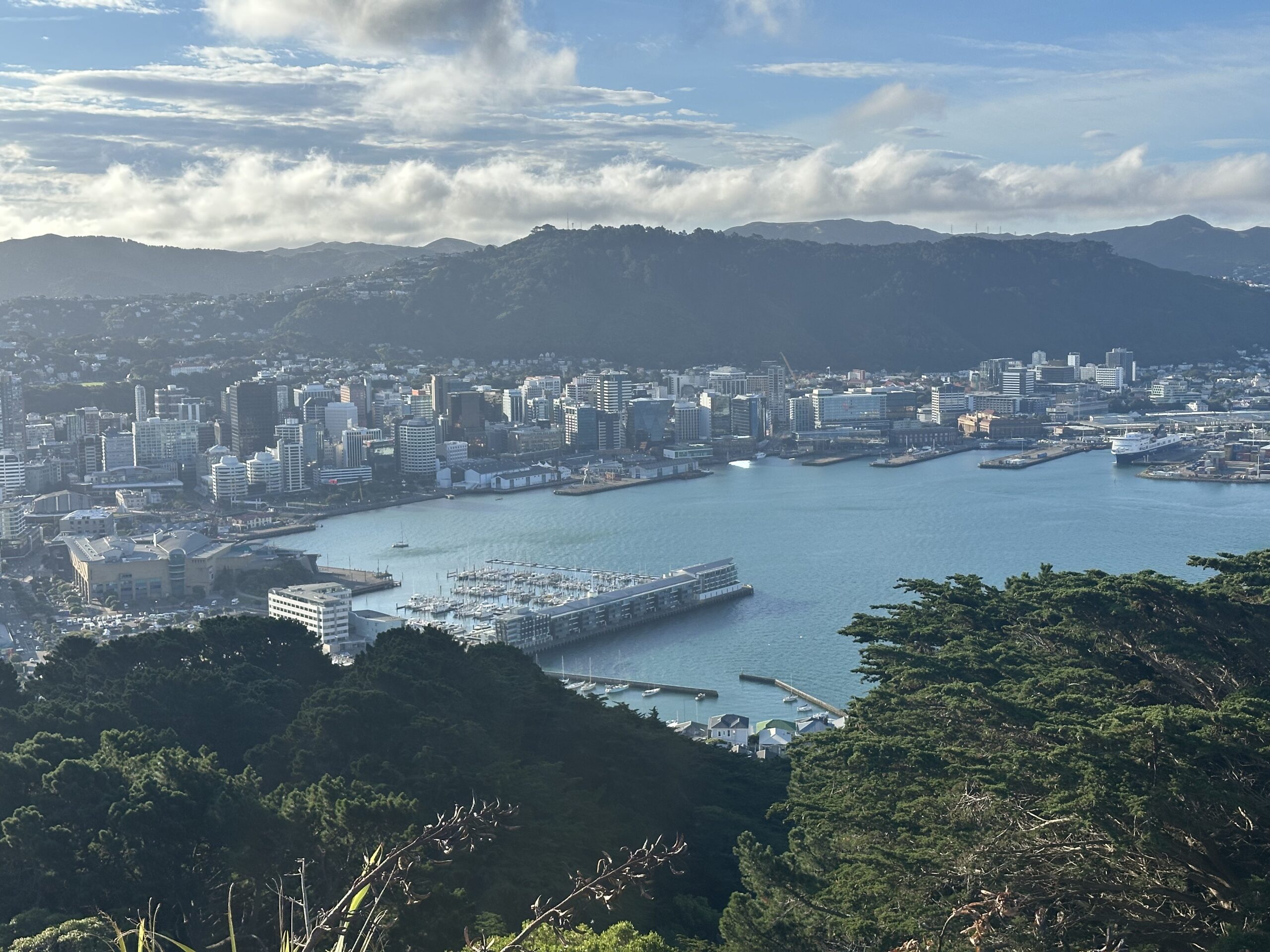
At the end of our secondment in Australia, we had the opportunity to attend the Climate and Cryosphere (CliC) Open Science Conference 2026, held from 11 to 16 February in Wellington, New Zealand. In the Māori language, these are Te Whanganui-a-Tara and Aotearoa.
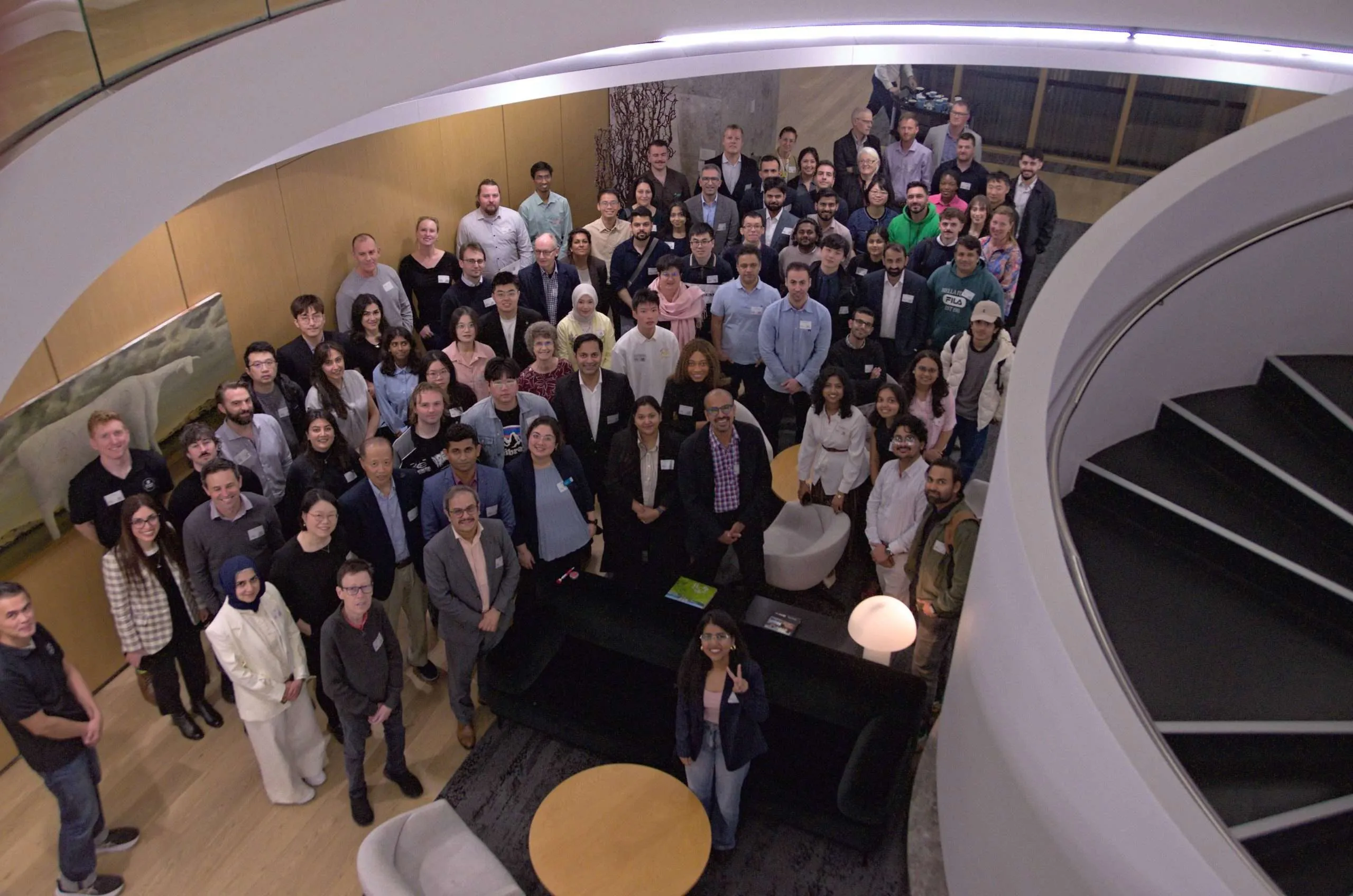
The conference brought together researchers from around the globe to discuss recent advances in climate and cryosphere research. Over six days, the talks, poster sessions and discussions covered topics such as glaciers and ice sheets, sea ice and permafrost. They also showed how these parts of the Earth’s climate system are responding to global warming. The scientific discussion helped us to better understand the challenges facing our planet and showed how new observations and methods can improve the models used to predict future climate. Attending the conference was a great way to finish our secondment in Australia. It gave us the chance to present our work, get feedback from experts in the field and make new contacts for future collaborations.
It’s no coincidence that New Zealand hosted a conference on the Cryosphere
Aotearoa is a clear example of a place being rapidly reshaped by rising global temperatures. By 2023, New Zealand had lost almost 30% of its glacier ice. The retreat can be seen across the Southern Alps, where well-known glaciers such as Franz Josef and Fox have pulled back dramatically. If warming continues at its current pace, studies suggest that almost all of New Zealand’s glaciers could disappear by 2100. This would affect not only the landscape, but also water resources, tourism and the cultural heritage connected to these places. It does not sound optimistic, does it?
AUFRANDE researchers being part of the change
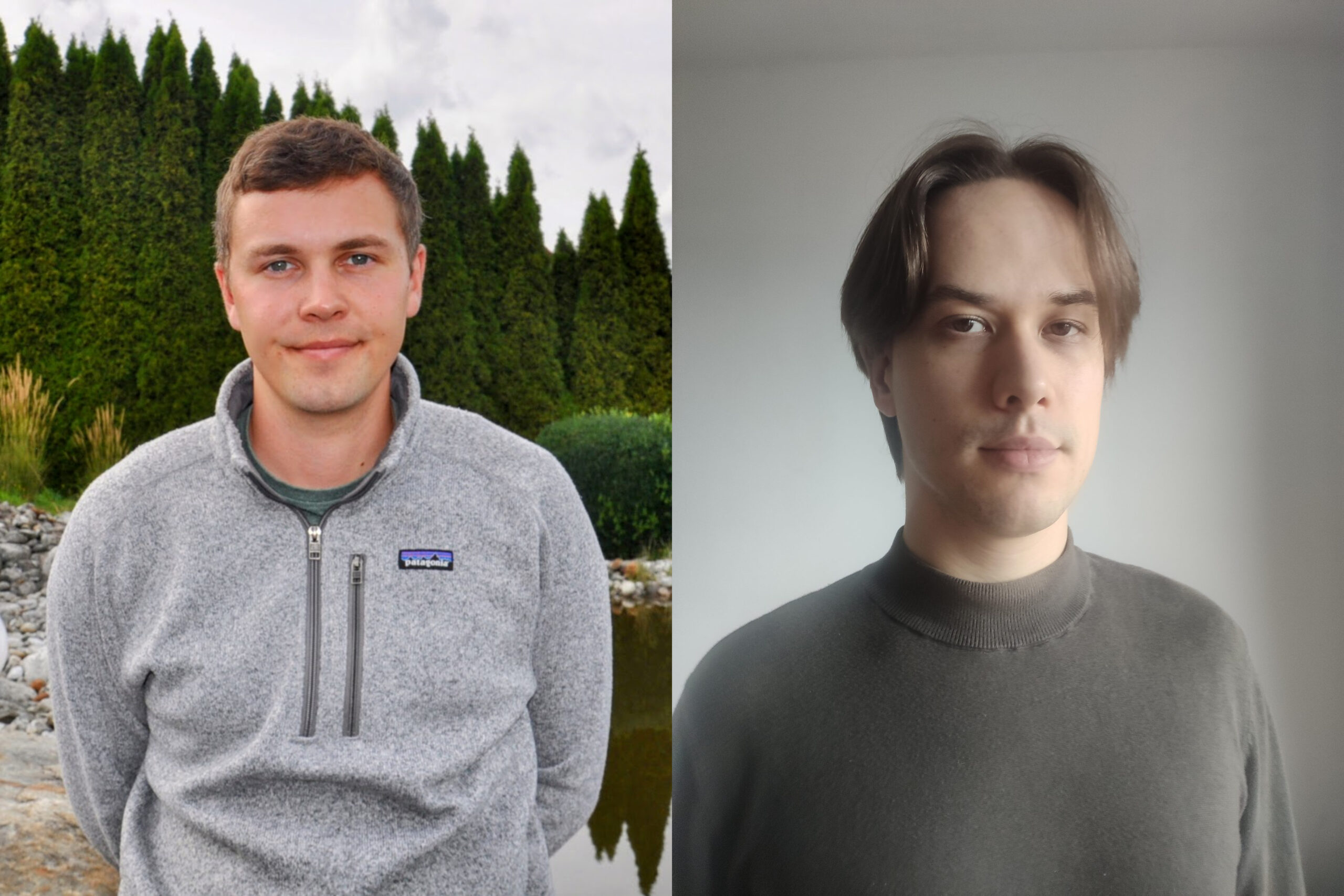
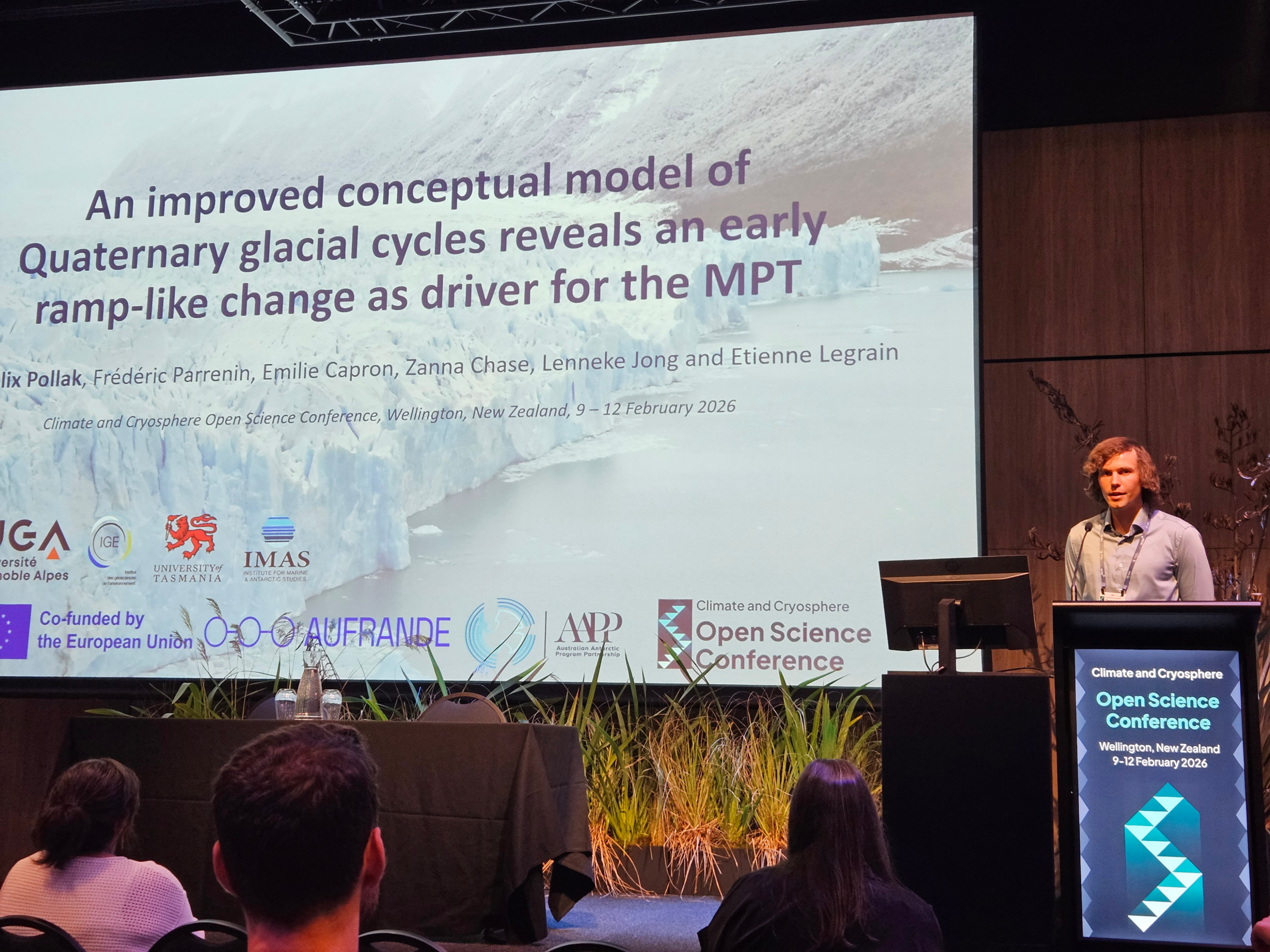
As part of the AUFRANDE program, we presented the research we have been working on over the last two years at our French (Université Grenoble Alpes) and Australian (University of Tasmania) institutions. Felix gave a talk about his conceptual model, which simulates changes in global ice volume over the last million years and helps us understand the mechanism behind glacial and interglacial variability.
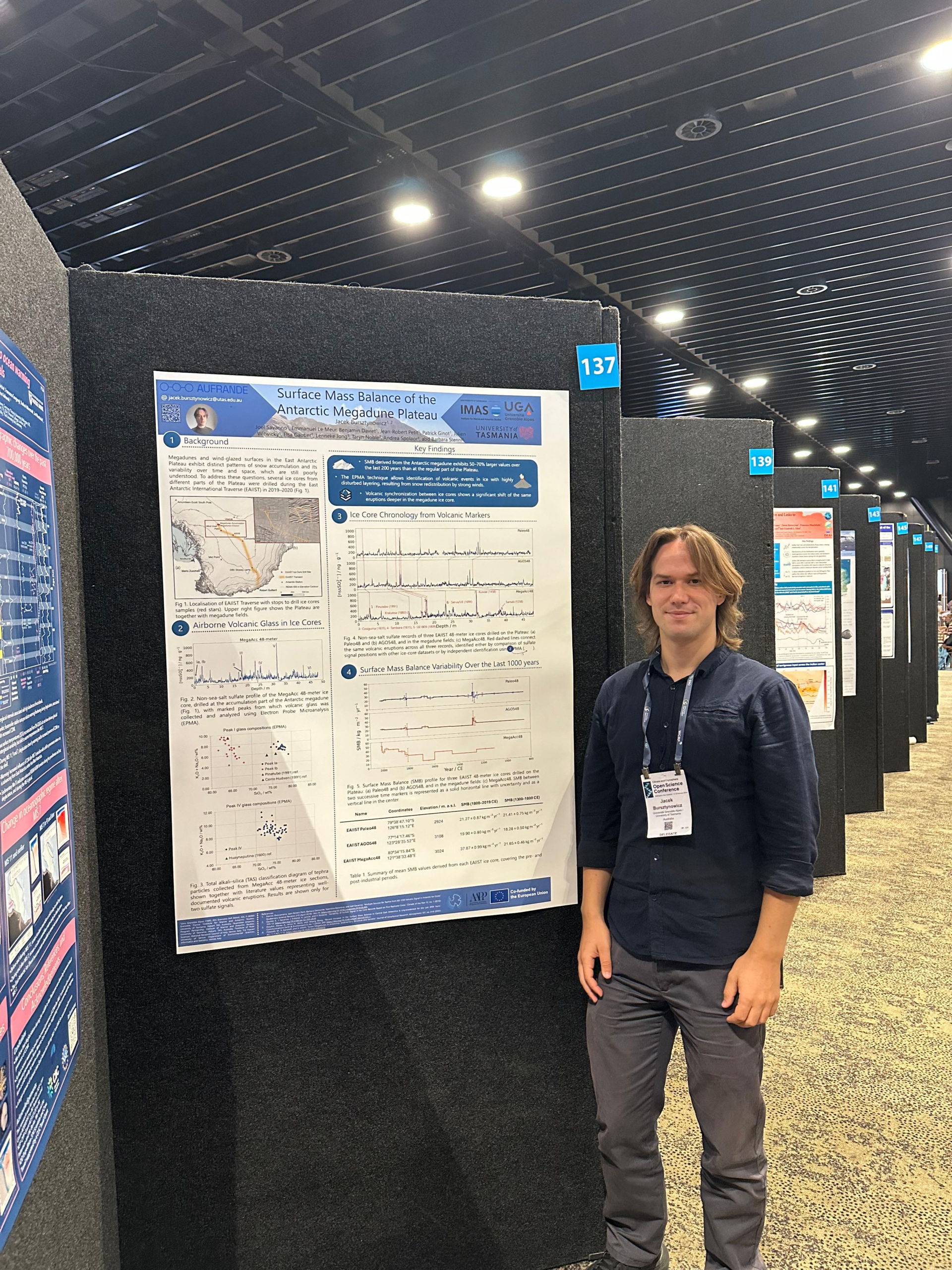
Jacek, meanwhile, presented a poster on the snow accumulation rate in the megadune area of the East Antarctic Plateau. Yes, Antarctica has bedforms similar to those in deserts: dunes. The only difference is that the Antarctic megadunes are much bigger. The discussion about our results was very interesting and it also gave us insight into what needs to be improved.
After the Conference – Into the Wild
When the last talk was over and the posters came down, we didn’t go home. Our second week began straight away and we swapped lanyards for hiking boots.
Tongariro: A very authentic Mordor
Right after the conference we drove to Tongariro National Park to walk the Alpine Crossing. The weather had other plans. Heavy rain, strong wind and clouds so thick we could barely see the next marker pole made it feel like a proper volcanic wasteland. Tongariro is where the Mount Doom scenes of The Lord of the Rings were filmed and in that weather we fully understood why. We felt like hobbits on an unwelcome quest, including a lot of wet gear.
Aoraki: Exploring New Zealand’s glacial past
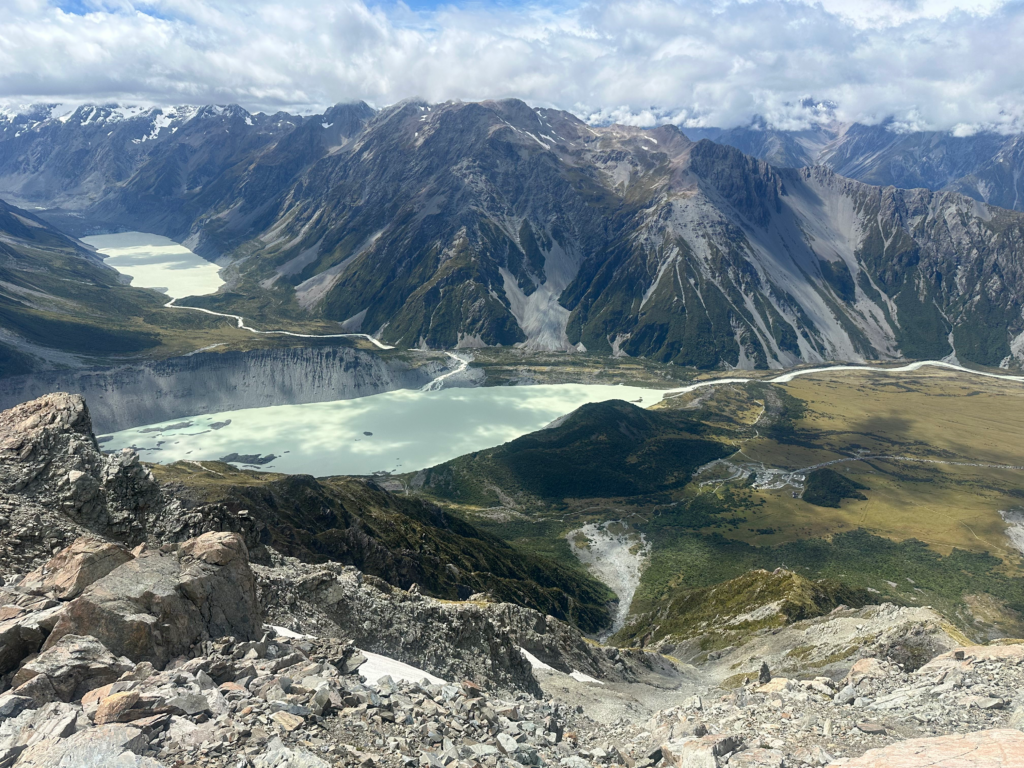
After a dry-off, we went to the South Island, picked up our campervan and drove to Mount Cook/Aoraki. A hike took us up to Mueller Hut, where we could see the glacier up close. This was the moment the conference clicked into place. All week we had heard about glacier retreat and ice-sheet change in talks and posters. Standing in a huge U-shaped valley carved by ice over thousands of years and looking at the meltwater lake at the ice front, we finally saw what all those graphs and models were describing.
Milford Sound: Paddling through a landscape carved by ice
From there we drove south to Fiordland and Milford Sound. A fjord tells essentially the same story as the valleys around Mount Cook/Aoraki: during past ice ages, glaciers carved deep into the rock and when the ice melted, the sea flooded the valley. Kayaking beneath steep cliffs and waterfalls, we were paddling through the legacy of ice that vanished thousands of years ago. Moments like this make you grasp the sheer scale of glaciers and their power to shape the landscapes we live in. The real highlight came when we spotted a Fiordland crested penguin, one of the rarest penguins in the world, standing onshore just a few meters from our kayaks.
The way back: Sea lions and a very steep street
On our way north along the east coast, we stopped at a small, quiet beach where sea lions were resting on the sand, completely unbothered by us. We kept our distance and simply watched. In Dunedin, we visited Baldwin Street, known as the steepest street in the world. Walking up is a workout and the view from the top is a good excuse to catch your breath.
Why travel after a conference?
As scientists, we attend conferences in various countries around the globe. But we often only see the conference venue since there is no spare time to explore the place. Taking some time off after a conference can help us to reset after some intense days of science and networking and explore new places and cultures. It takes some planning beforehand, but if you have the chance, we’d say go for it!
Find out more about Jacek’s research project here.
Find out more about Felix’s research project here.